
Extraction Methods: From Traditional to Modern
Understanding how botanical compounds are extracted and processed, from ancient herbal preparations to contemporary laboratory techniques.
Traditional Extraction Methods
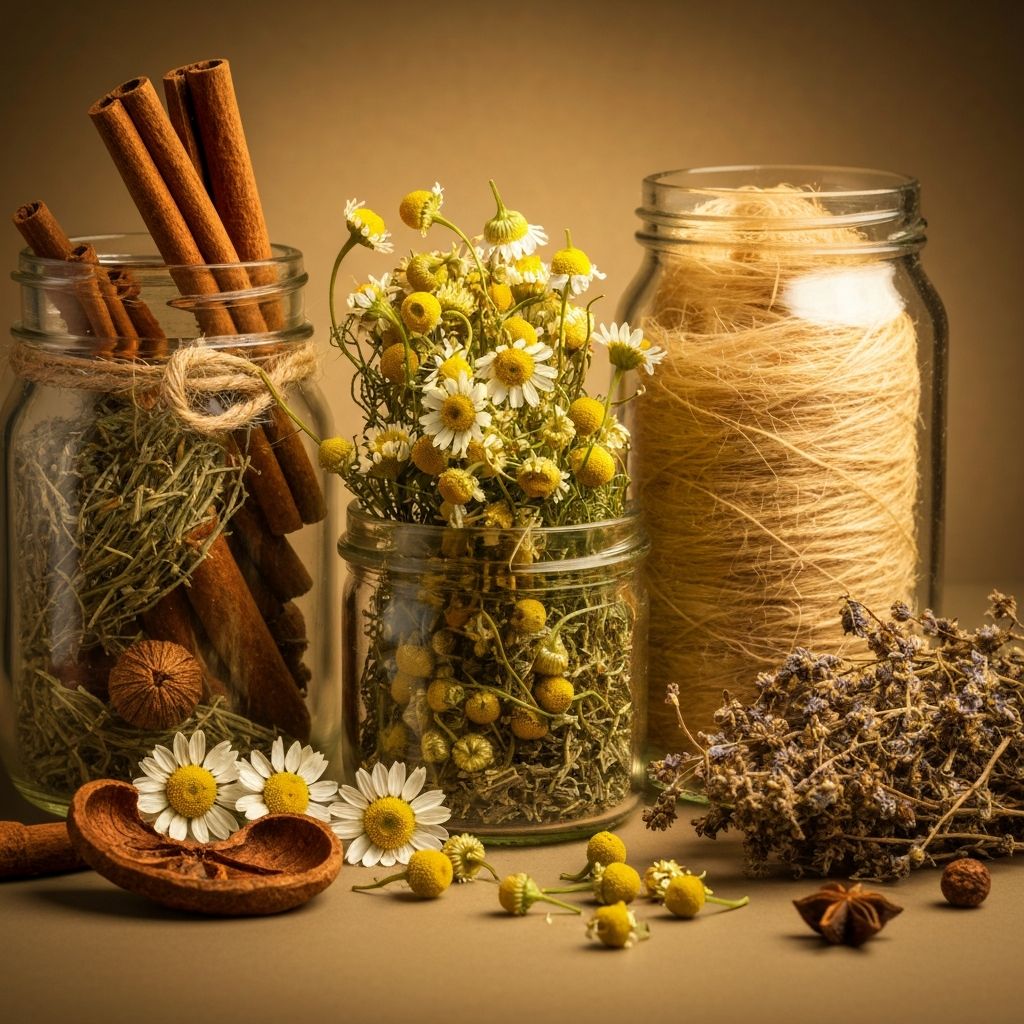
For thousands of years, cultures worldwide developed methods to extract the beneficial properties from botanical materials. These traditional approaches often emerged through experimentation and observation, with effective methods being refined and passed down through generations.
Common traditional extraction methods include infusions (steeping plant material in hot water), decoctions (boiling harder plant parts), maceration (soaking in liquid for extended periods), and pressing.
These methods work by allowing water or other solvents to dissolve and separate desired plant compounds from the raw botanical material. The resulting preparations have been used across traditional knowledge systems in Asia, Africa, Europe, and the Americas.
Modern Laboratory Extraction
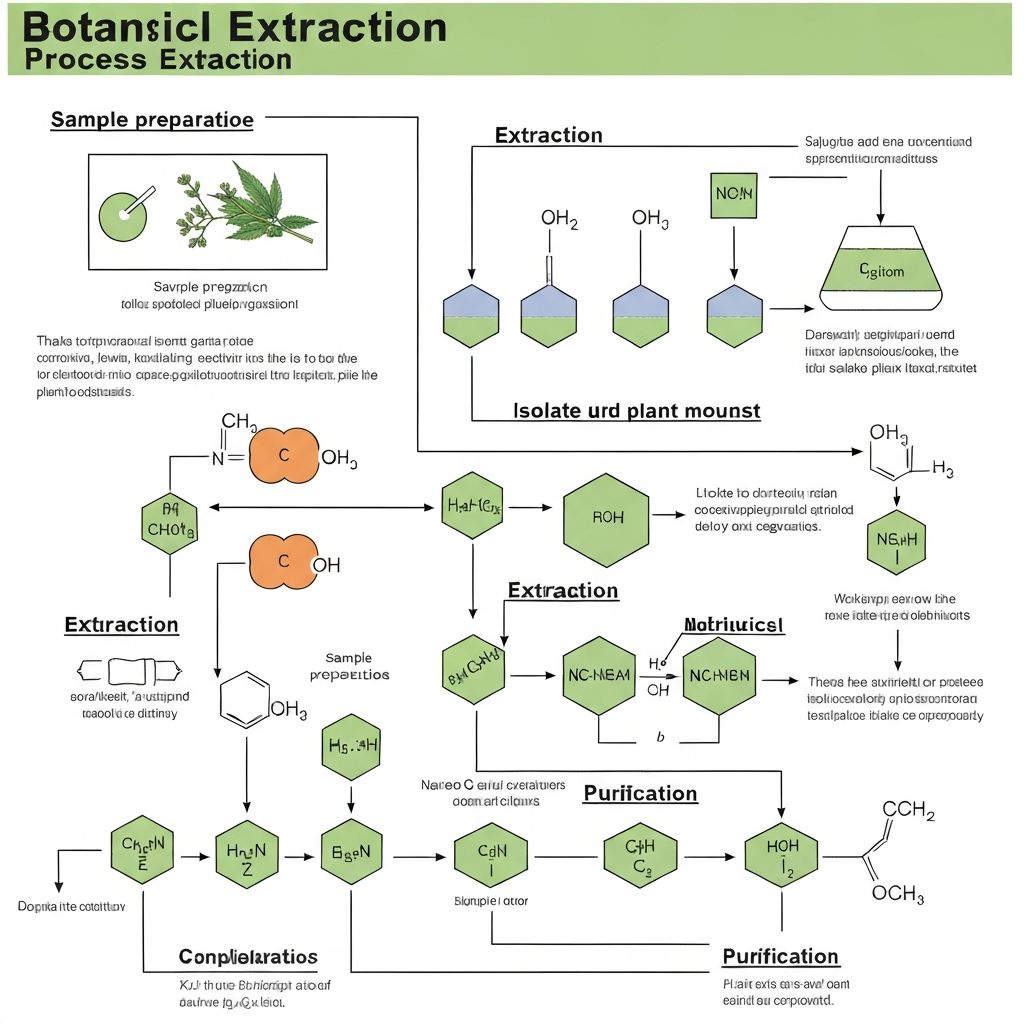
Contemporary extraction techniques employ chemistry and physics to isolate and concentrate specific botanical compounds. These methods often achieve higher purity and consistency than traditional approaches.
Solvent extraction uses liquids like ethanol, water, or specialized solvents to dissolve compounds from plant material. The solvent is then evaporated, leaving behind concentrated extract.
Supercritical fluid extraction uses substances under specific temperature and pressure conditions to selectively extract compounds. Carbon dioxide is commonly used in this method.
Other modern methods include chromatography (separating compounds by their properties), distillation (using heat to vaporize and collect compounds), and cold pressing (mechanical extraction without heat).
Comparing Methods
Infusion
Water-based method, gentle, preserves heat-sensitive compounds, commonly used for leaves and flowers.
Decoction
Boiling method, effective for harder materials, concentrates heat-stable compounds, traditional across cultures.
Solvent Extraction
Laboratory method, high efficiency, produces concentrated extracts, allows selection of specific compounds.
Cold Pressing
Mechanical method, no solvents, preserves volatile compounds, commonly used for plant oils.
Standardization and Quality
Modern extraction increasingly focuses on standardization—ensuring consistency in the compounds present in each batch. This involves analyzing extracts to determine their exact composition and concentration of active compounds.
Quality control in extraction includes testing for purity, absence of contaminants, and consistent potency. These procedures help ensure that botanical materials meet specified standards.
The Future of Extraction
Emerging techniques continue to evolve, including ultrasonic extraction (using sound waves), microwave-assisted extraction, and green chemistry approaches focused on sustainability and reduced chemical use.
Research continues to explore which extraction methods best preserve the complex array of compounds that may contribute to the properties of botanical materials.
Educational Note
This article provides educational information about extraction methods and processes. It does not provide advice or recommendations for personal use. Extraction and preparation of botanical materials should follow proper safety guidelines and local regulations.
Not a medical product. Always consult a healthcare professional before use.
Continue Learning
Explore more articles in our research library to deepen your understanding of botanical science.
Return to Research Library